
Exhibition: Christ’s Way to Golgotha through the Streets of Jerusalem
The Strahov Monastery is hosting the exhibition Christ’s Way to Golgotha through the Streets of Jerusalem, presenting a unique testimony of Baroque art, piety, and pilgrimage tradition. The exhibition is open from 18 February to 26 April 2026 in the Chapter Hall of the Strahov Monastery. Exceptionally, it is included in the standard visitor route (Joint Tour).

Created on: 13. 2. 2026
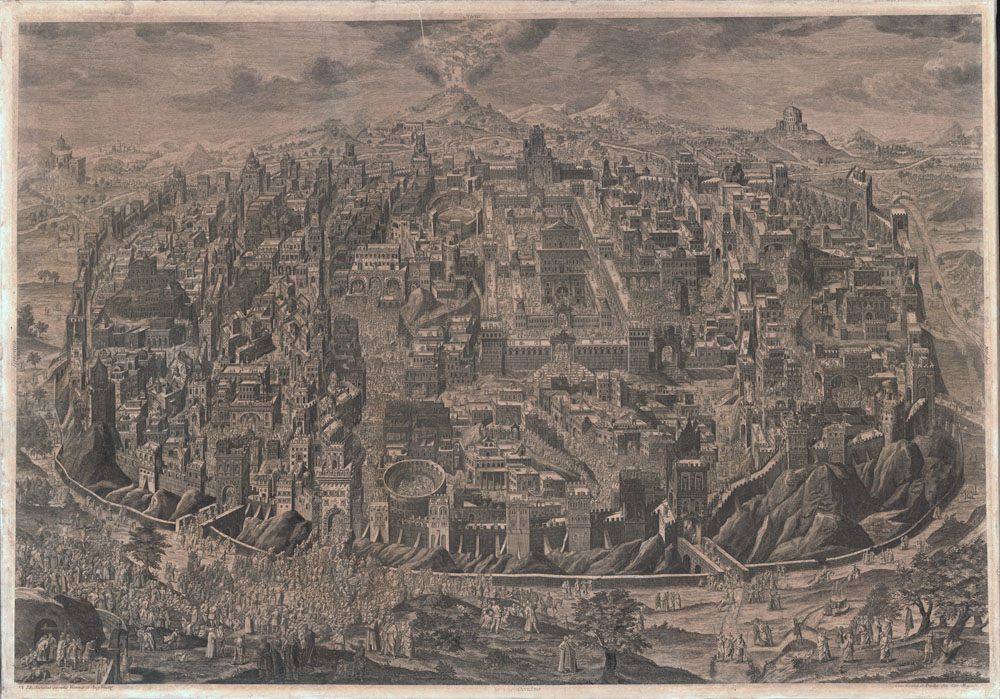
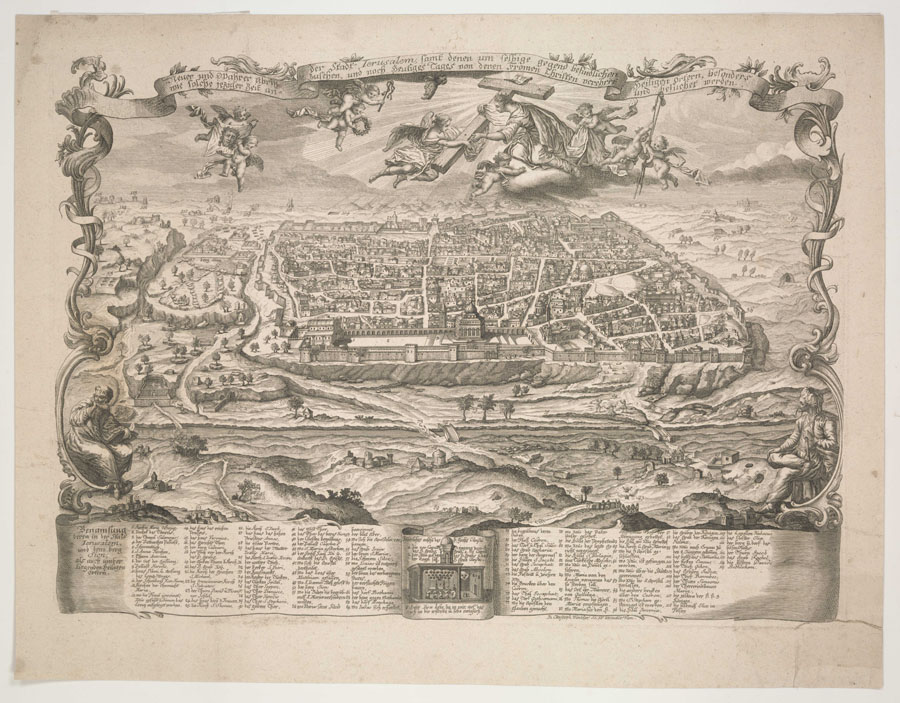
The central work of the exhibition is a unique large-format print by the Augsburg draughtsman and engraver Johann Daniel Herz the Elder (1693–1754) – View of Jerusalem with the Passion of Christ, dating from around 1735. It is the largest Baroque print ever created from a single plate and printed on a single sheet of handmade paper (82 × 121 cm).
Herz depicts Jerusalem from a bird’s-eye perspective as a fortified city filled with buildings and an immense number of figures, among which numerous biblical scenes and locations can be identified. He portrays all the key episodes of Christ’s Easter story, unfolding simultaneously within a single moment. This exceptional print stands at the centre of the exhibition, whose aim—together with other exhibits—is to recall the now almost forgotten practice of so-called virtual (mental) pilgrimages.
Palestine, perceived since ancient times as the Holy Land (Terra Sancta), was for Christians an authentic space of remembrance, to which the first pilgrims journeyed soon after Christ’s death. As early as the Middle Ages, special techniques developed to help construct the image of Jerusalem beyond time and space—within the mind and heart of the pilgrim.
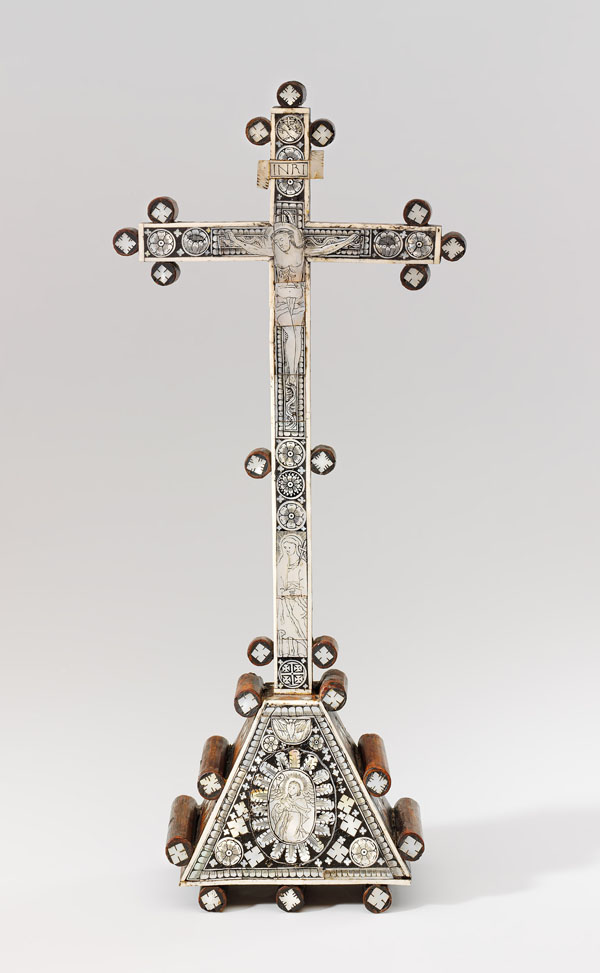
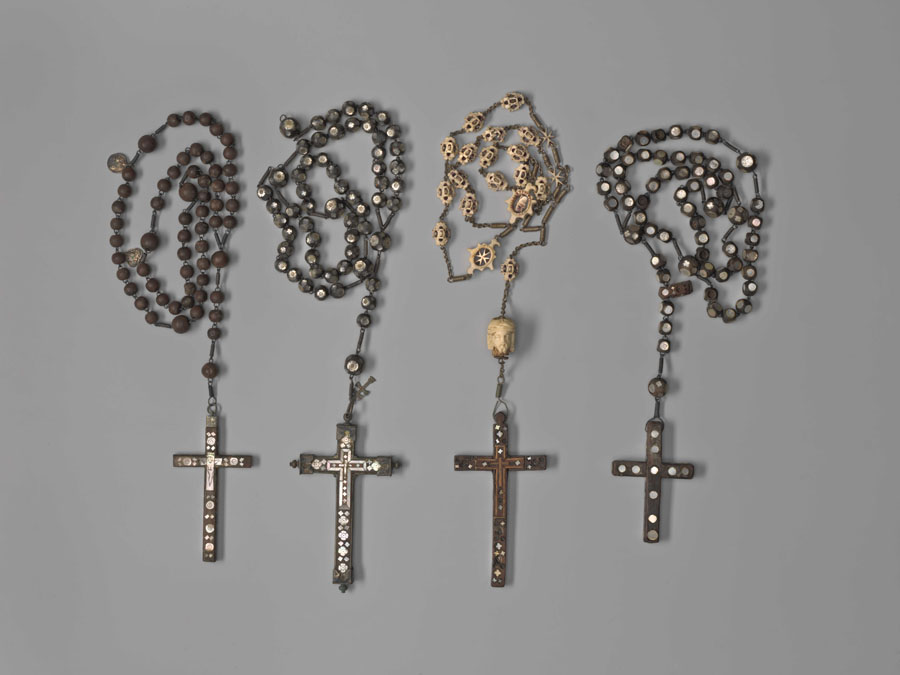
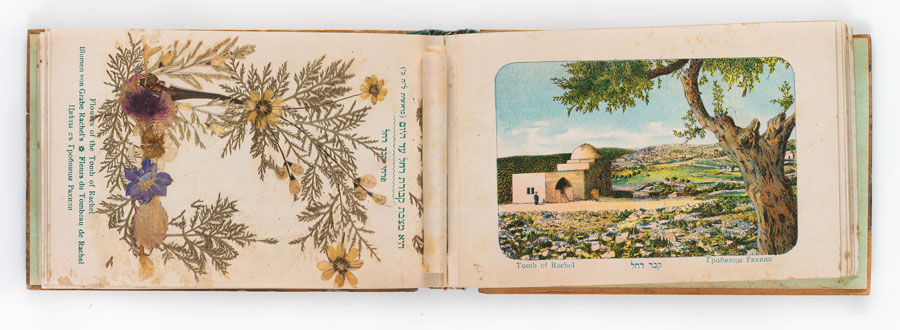
In addition to devotional texts, pilgrimage itineraries, maps, and works of art began to be used for imaginary journeys to sacred places and for recalling biblical narratives, especially Christ’s Passion. Tangible evidence of completed pilgrimages consisted of objects that pilgrims brought home from their travels—such as fragments of rock, pieces of earth, or various devotional souvenirs.
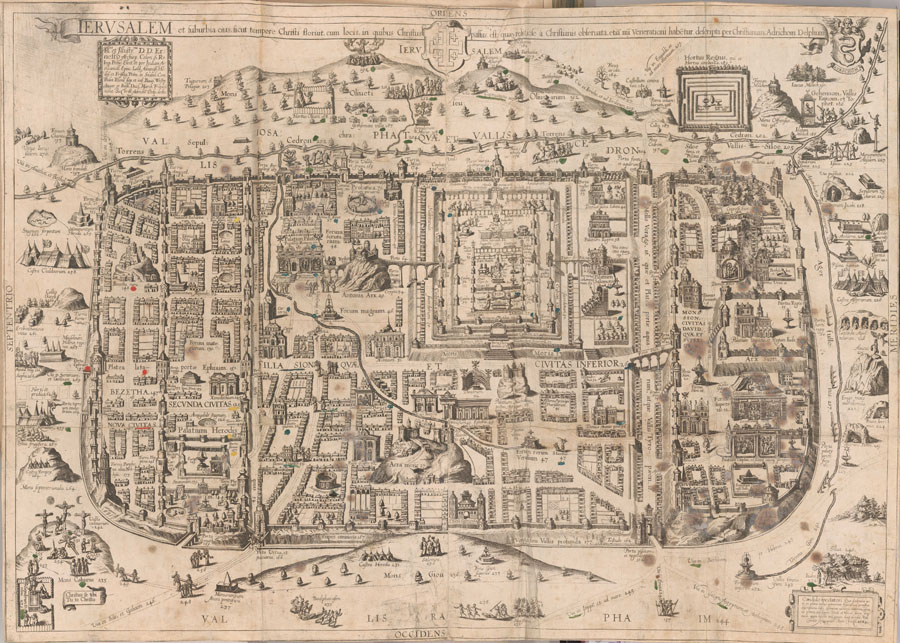
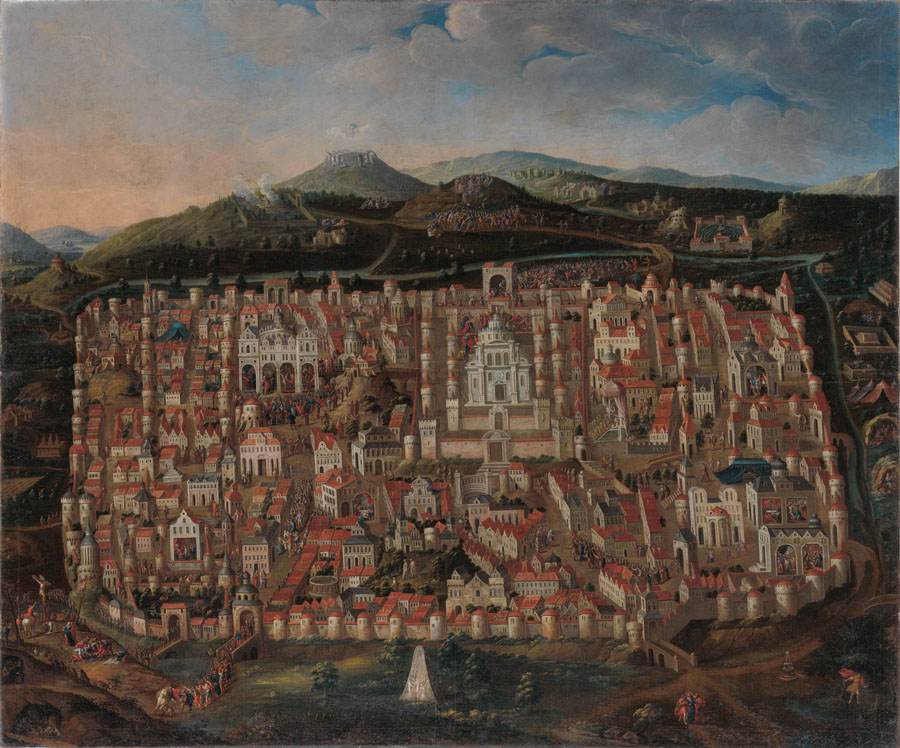
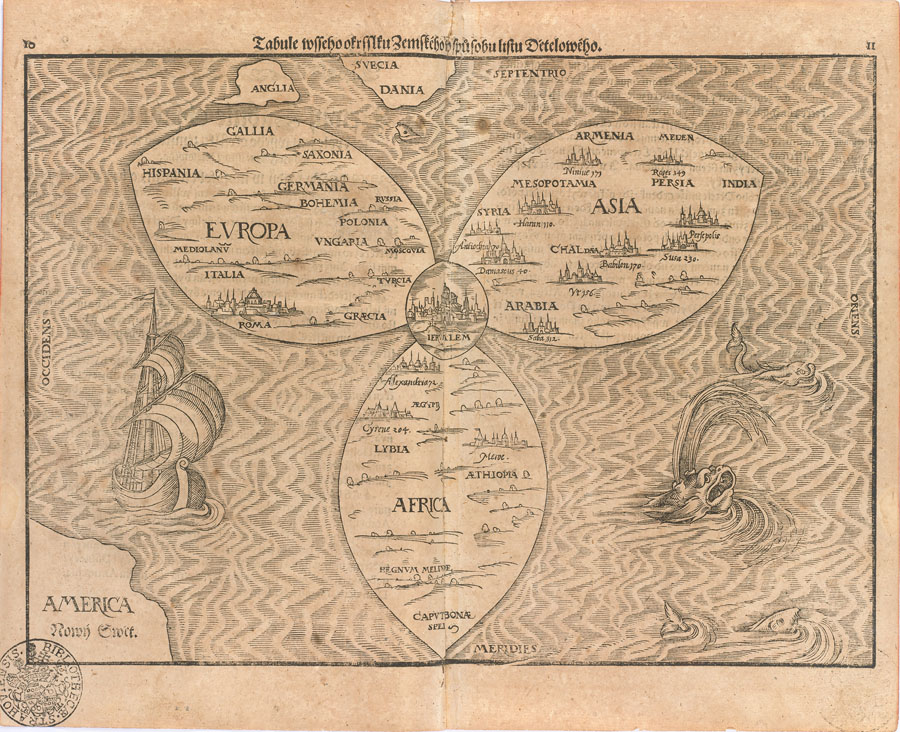
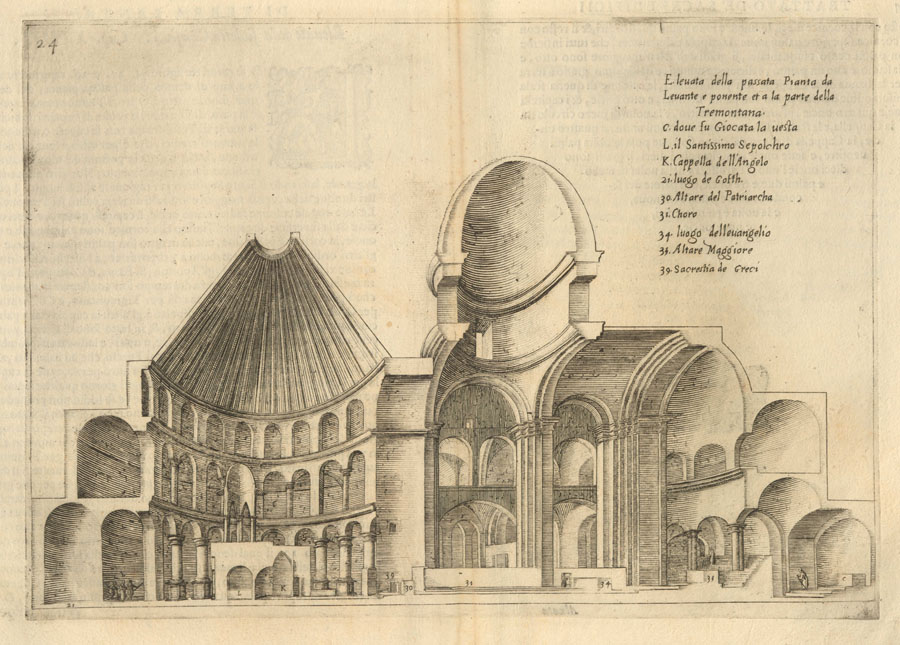
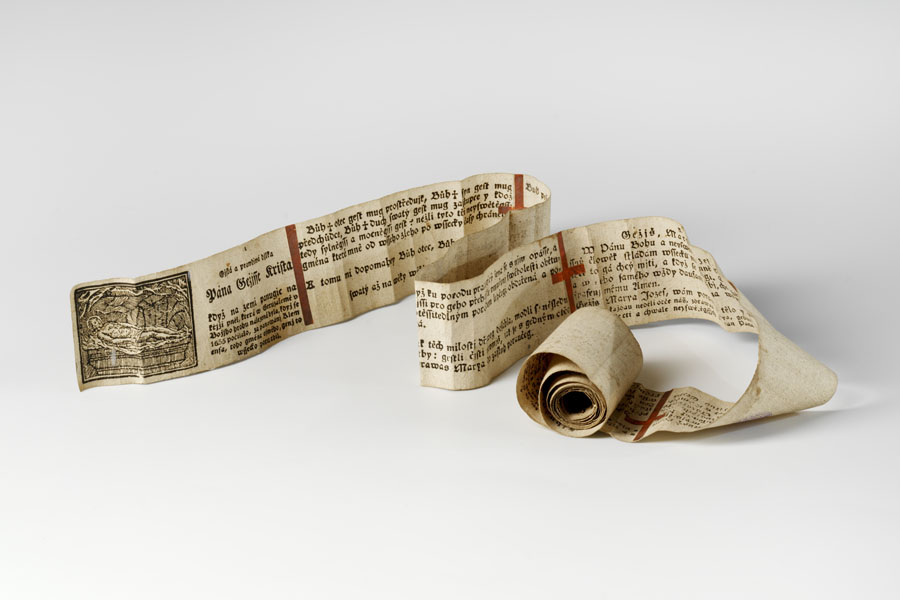
Alongside Herz’s print, the exhibition presents other rare items connected with pilgrimages to the Holy Land. Visitors will see paintings, graphic vedute, maps, travel accounts, pilgrimage itineraries, devotional prints, and pilgrimage souvenirs.
The exhibition has come to the Strahov Monastery from the Archdiocesan Museum in Olomouc. It has been partially revised and supplemented with several additional works, particularly from the rich collections of the Strahov Library.
The Strahov Monastery is connected with Olomouc and with the theme of the exhibition through several important historical links. A key figure is Bishop Jindřich Zdík of Olomouc, founder of the monastery and a two-time pilgrim to Jerusalem. In medieval sources, the Strahov Monastery in Prague (1143) is referred to as Mount Zion (Mons Sion), and its topography is thus symbolically related to biblical Jerusalem.