Norbertine Festivities 2026
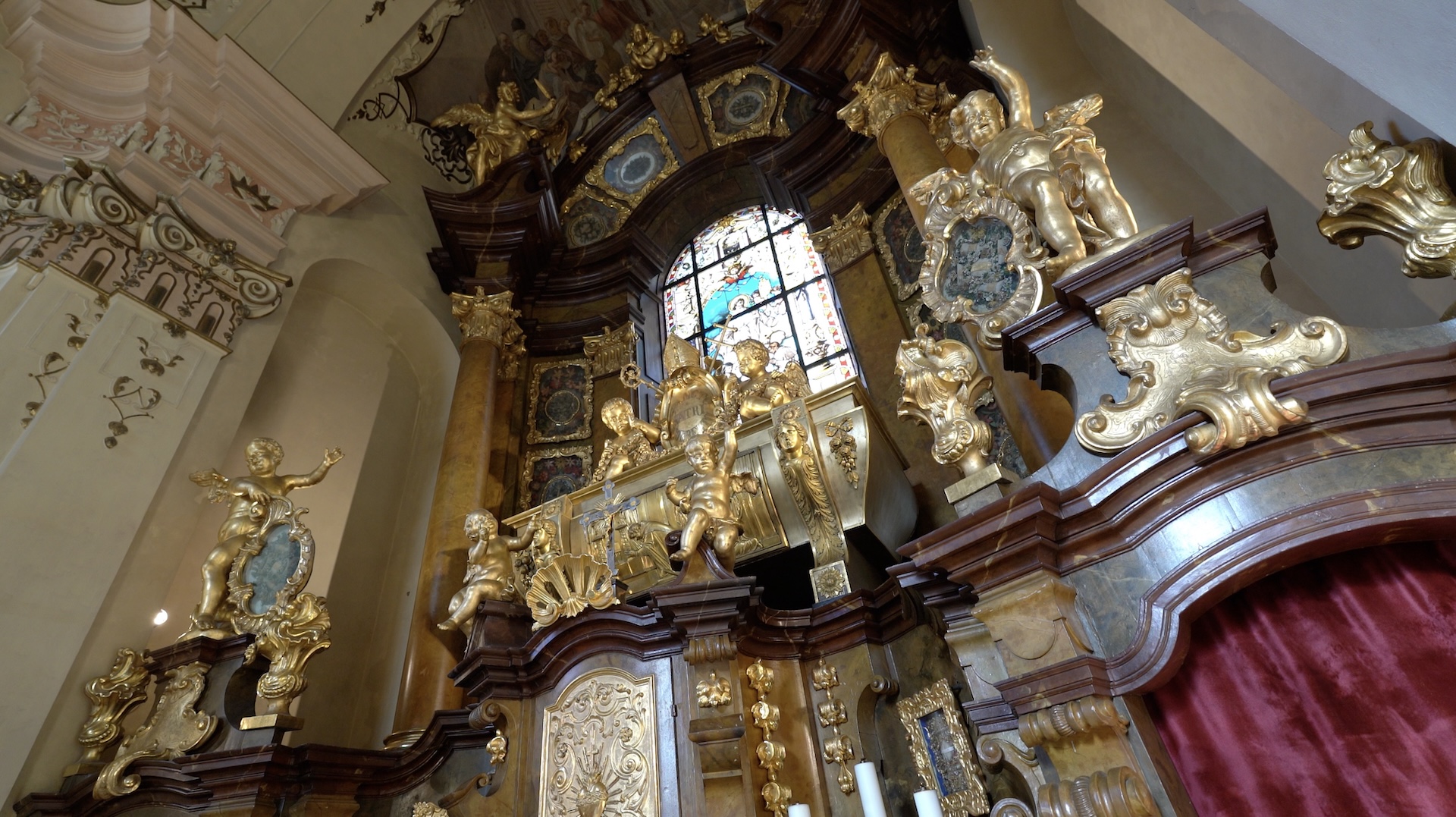
During the Thirty Years’ War, Abbot Caspar Questenberg attempted to transfer the relics of the founder of the Order, Saint Norbert, to Strahov. At that time, Magdeburg, the place of his final resting place, had become Protestant. He eventually succeeded, and on 2 May 1627 Strahov became the final resting place of Saint Norbert.

Created on: 2. 5. 2026
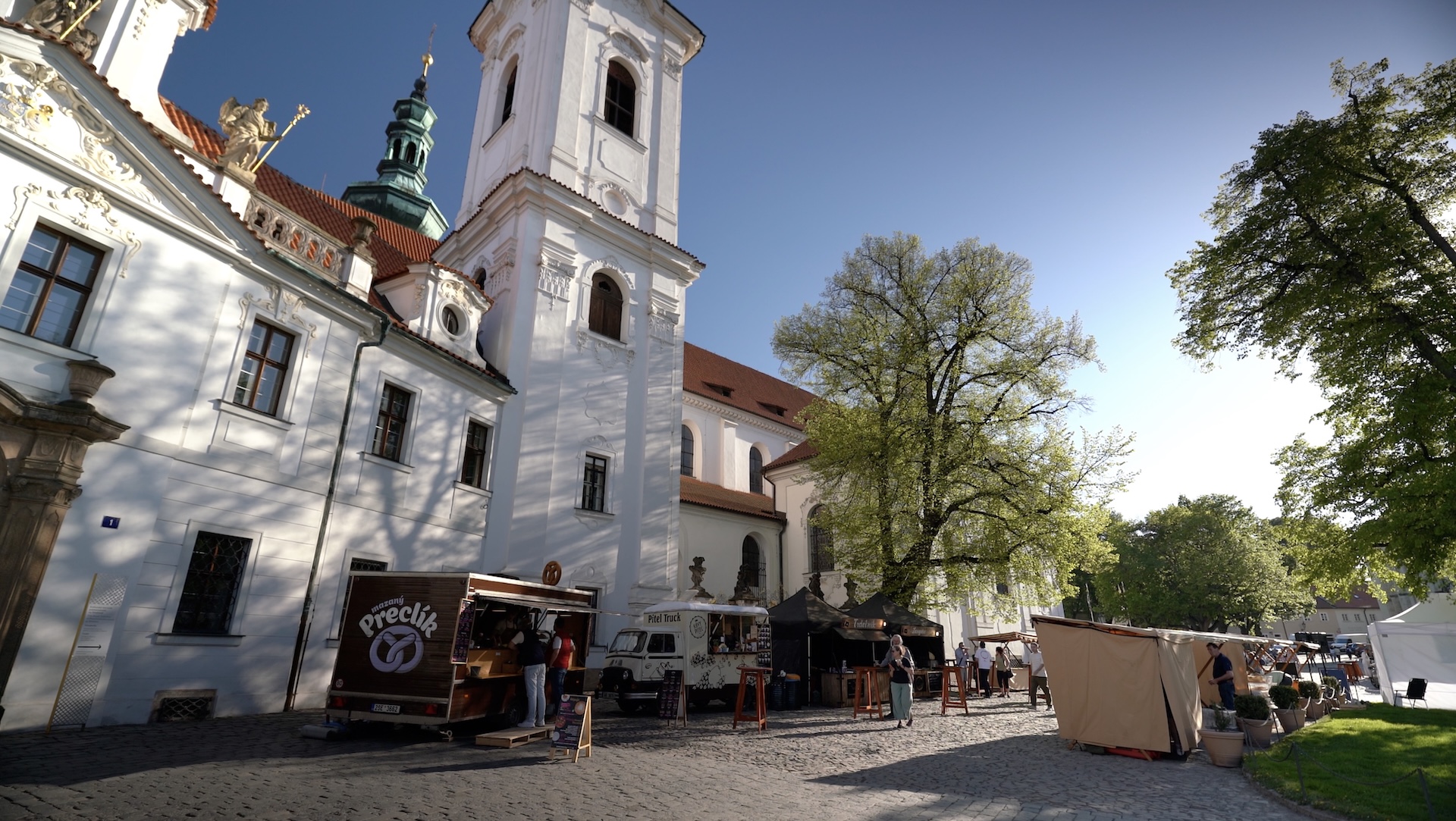
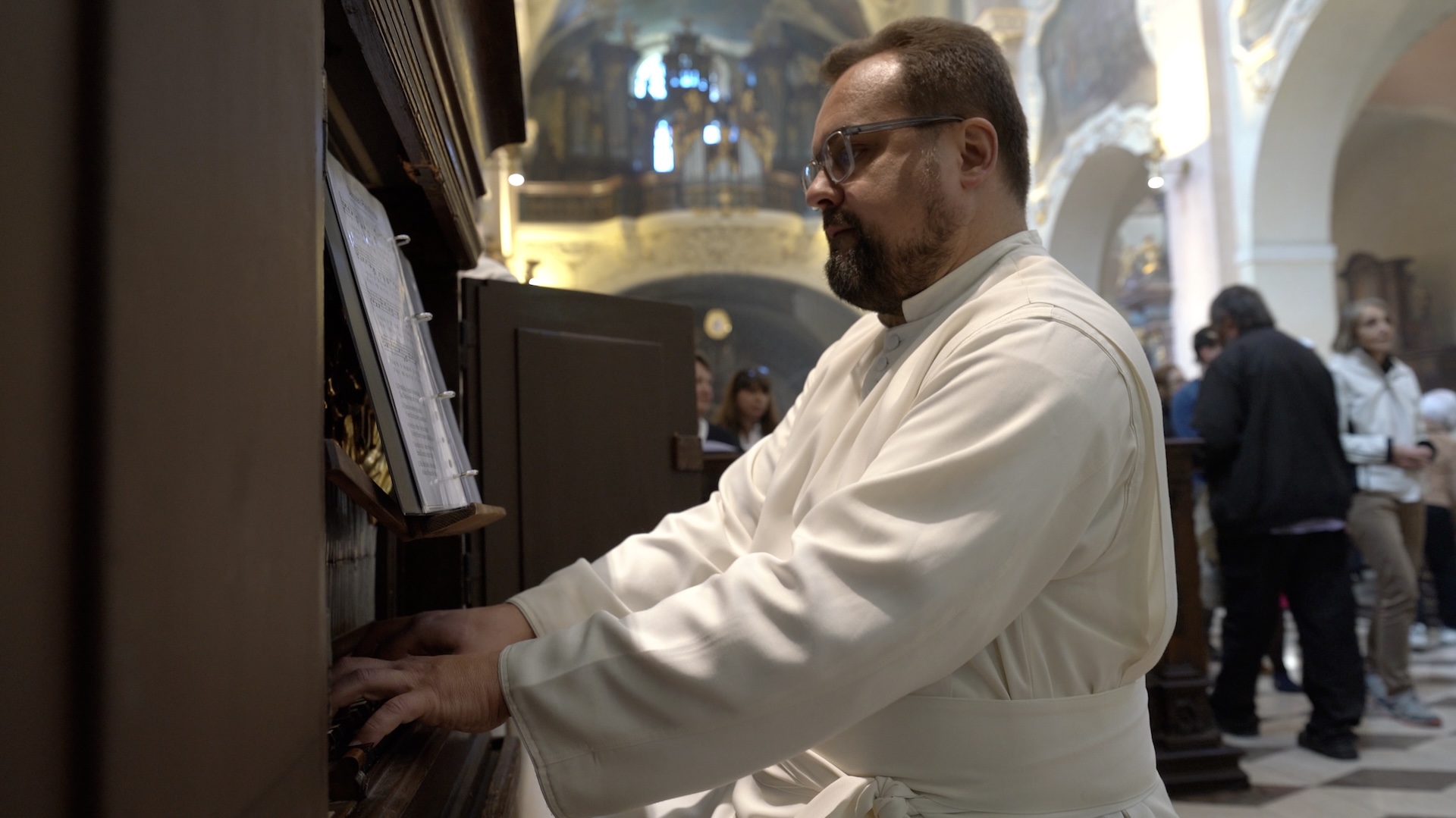
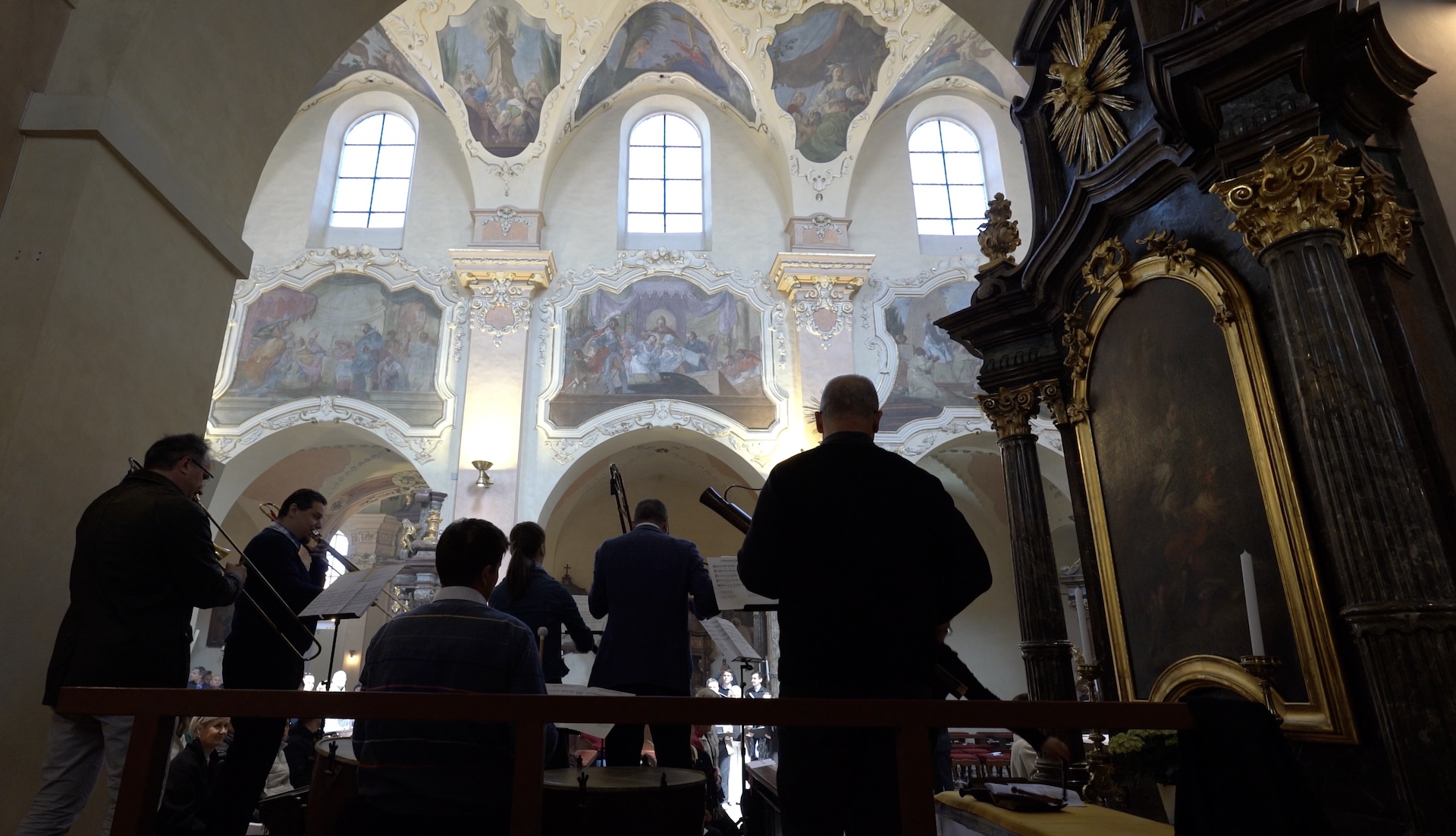
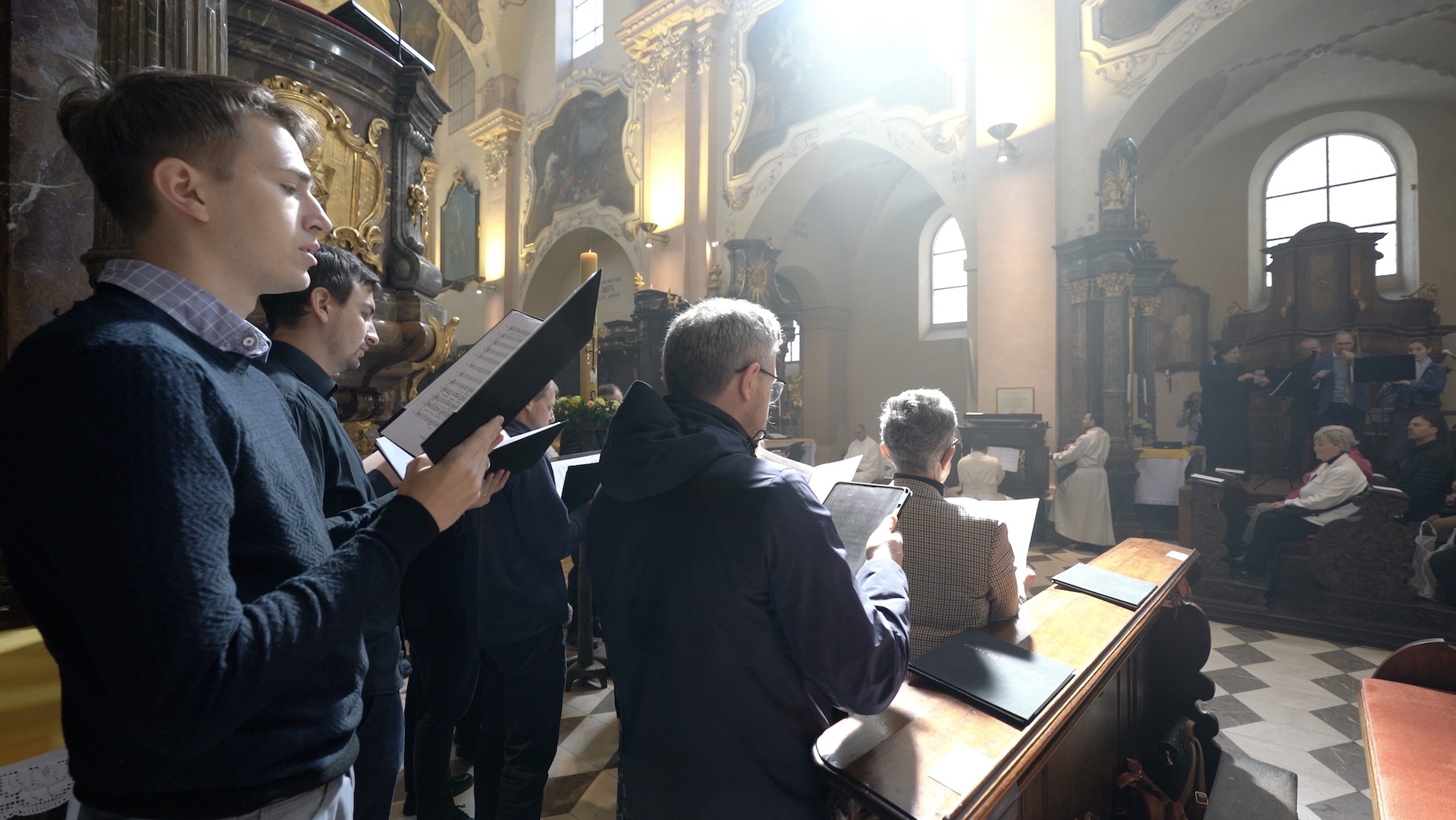
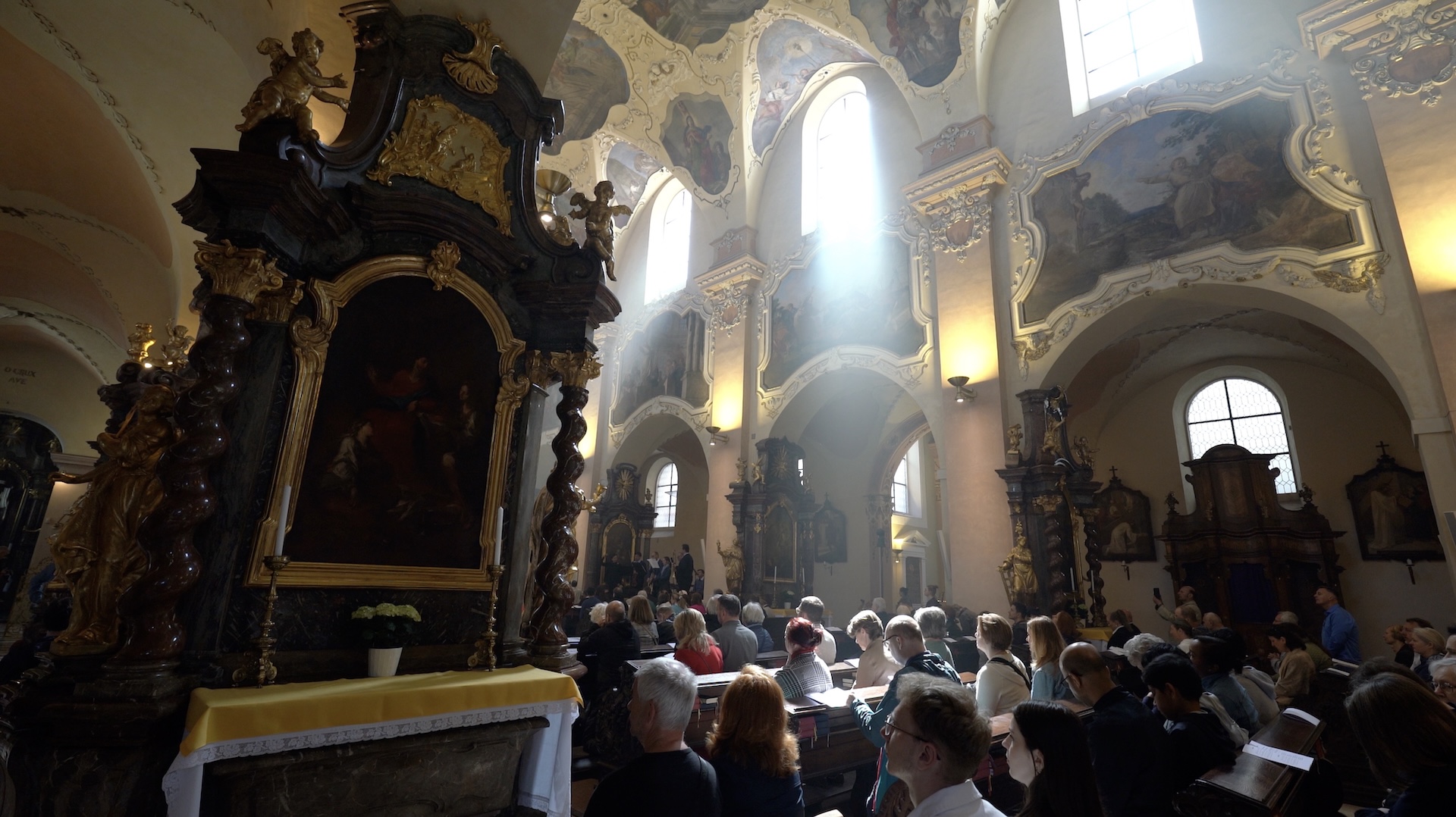
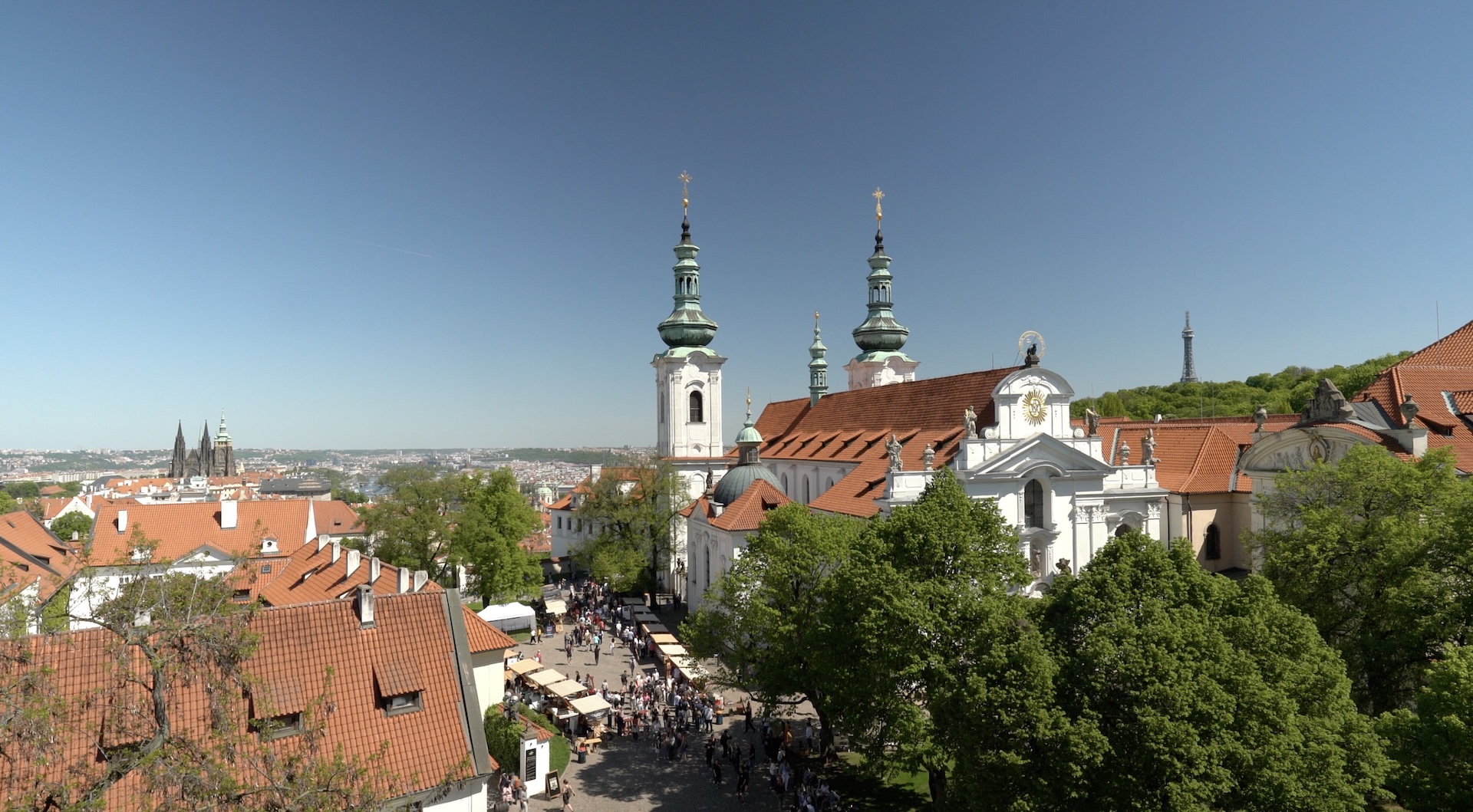
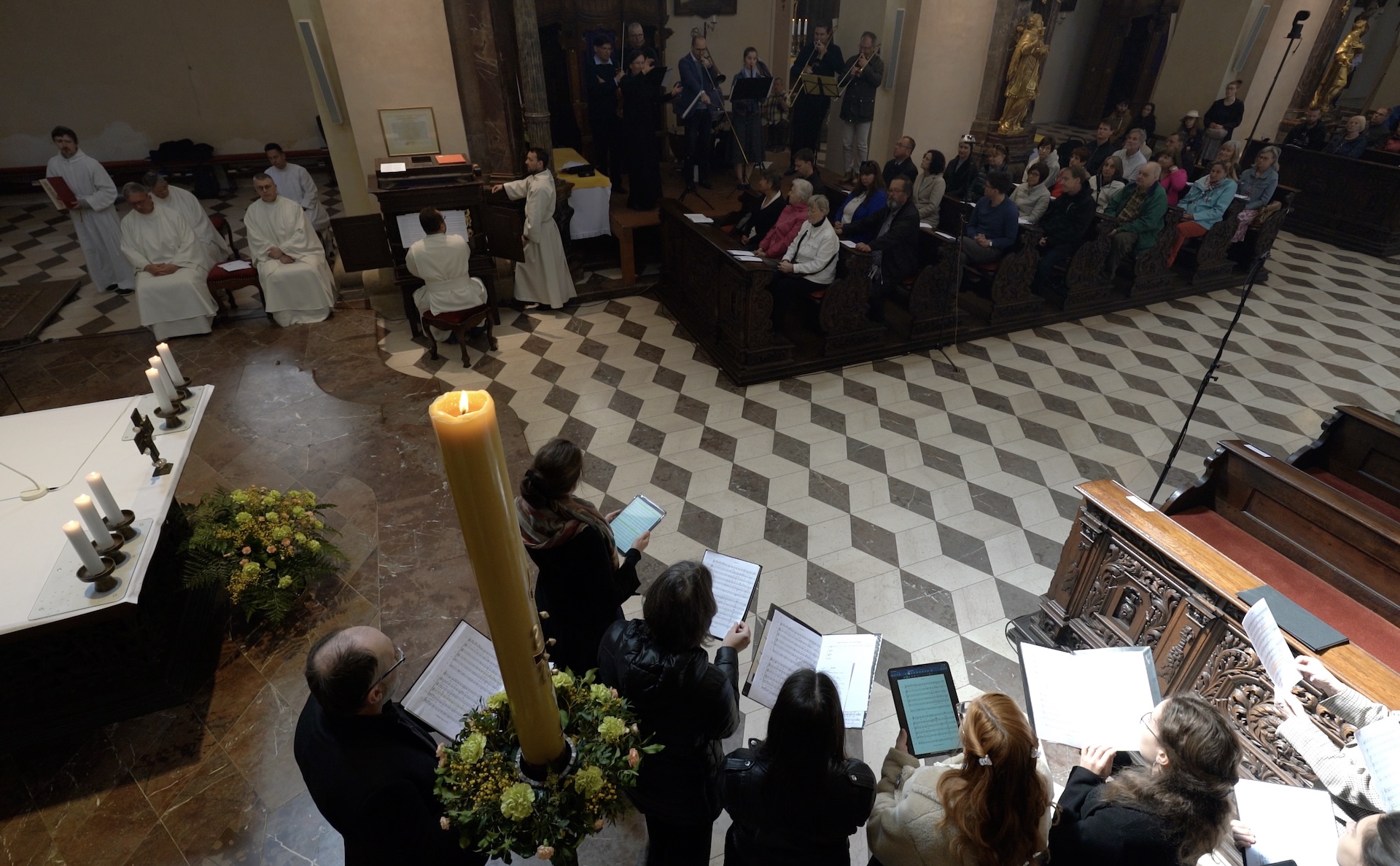
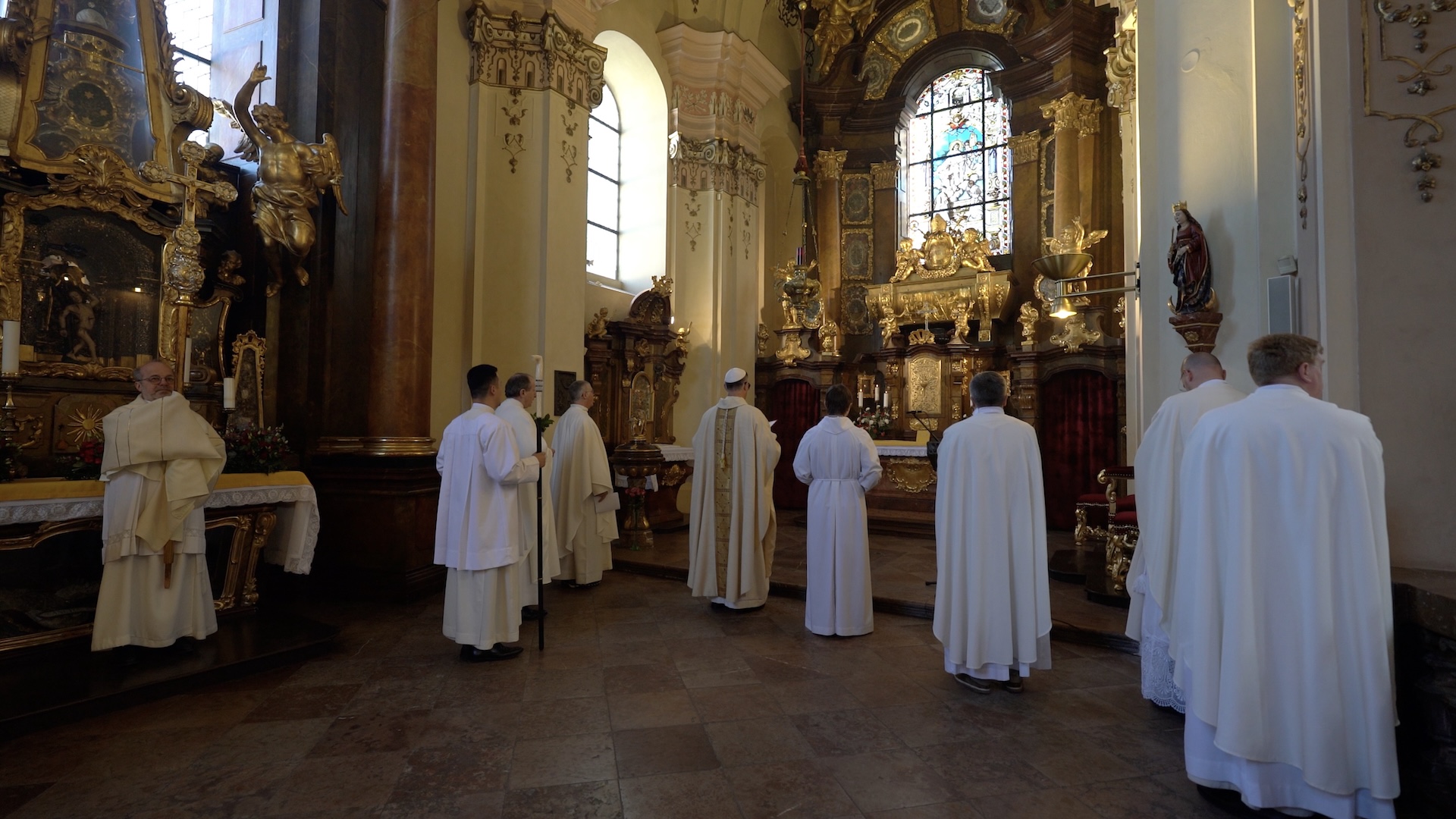
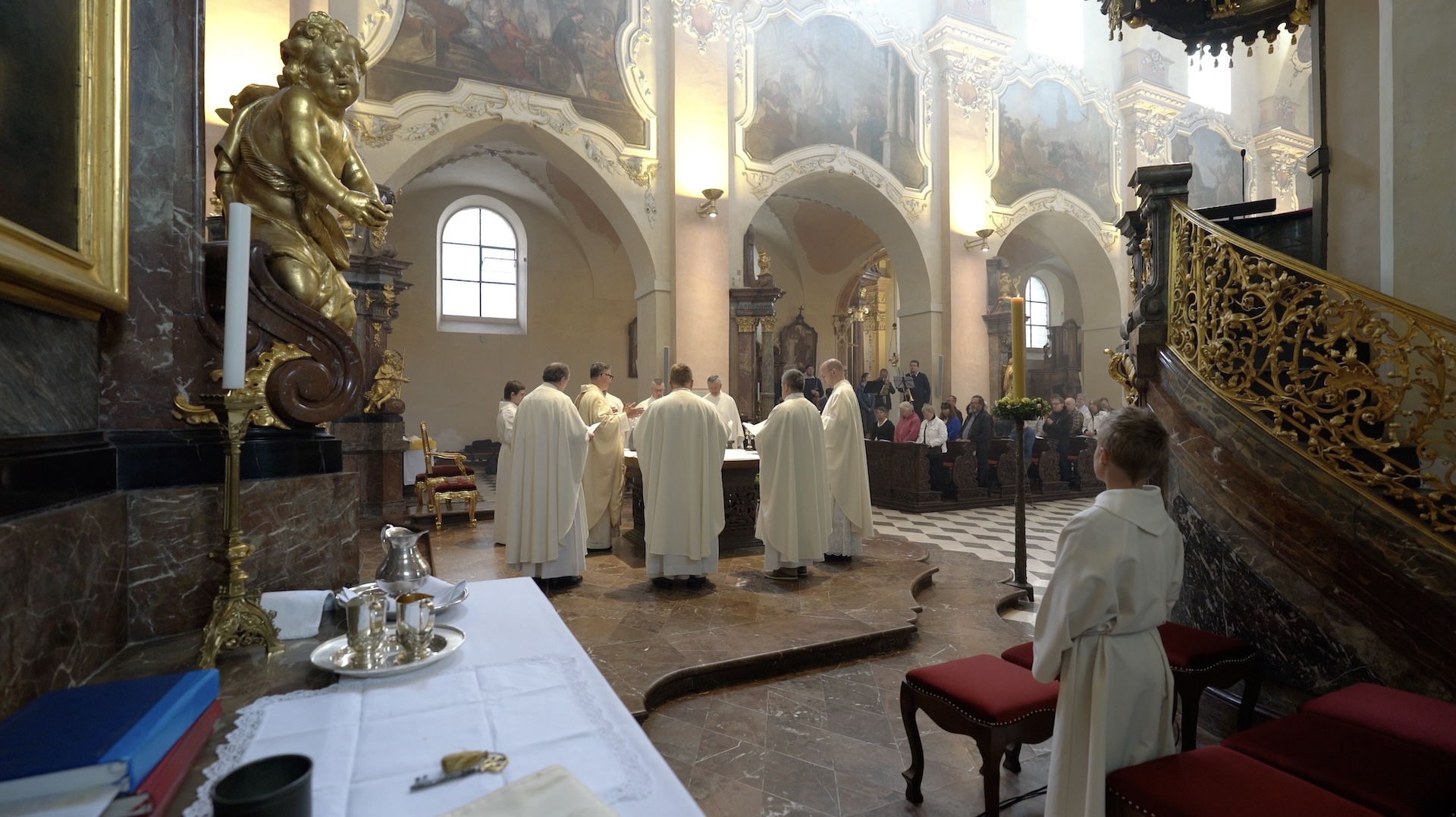
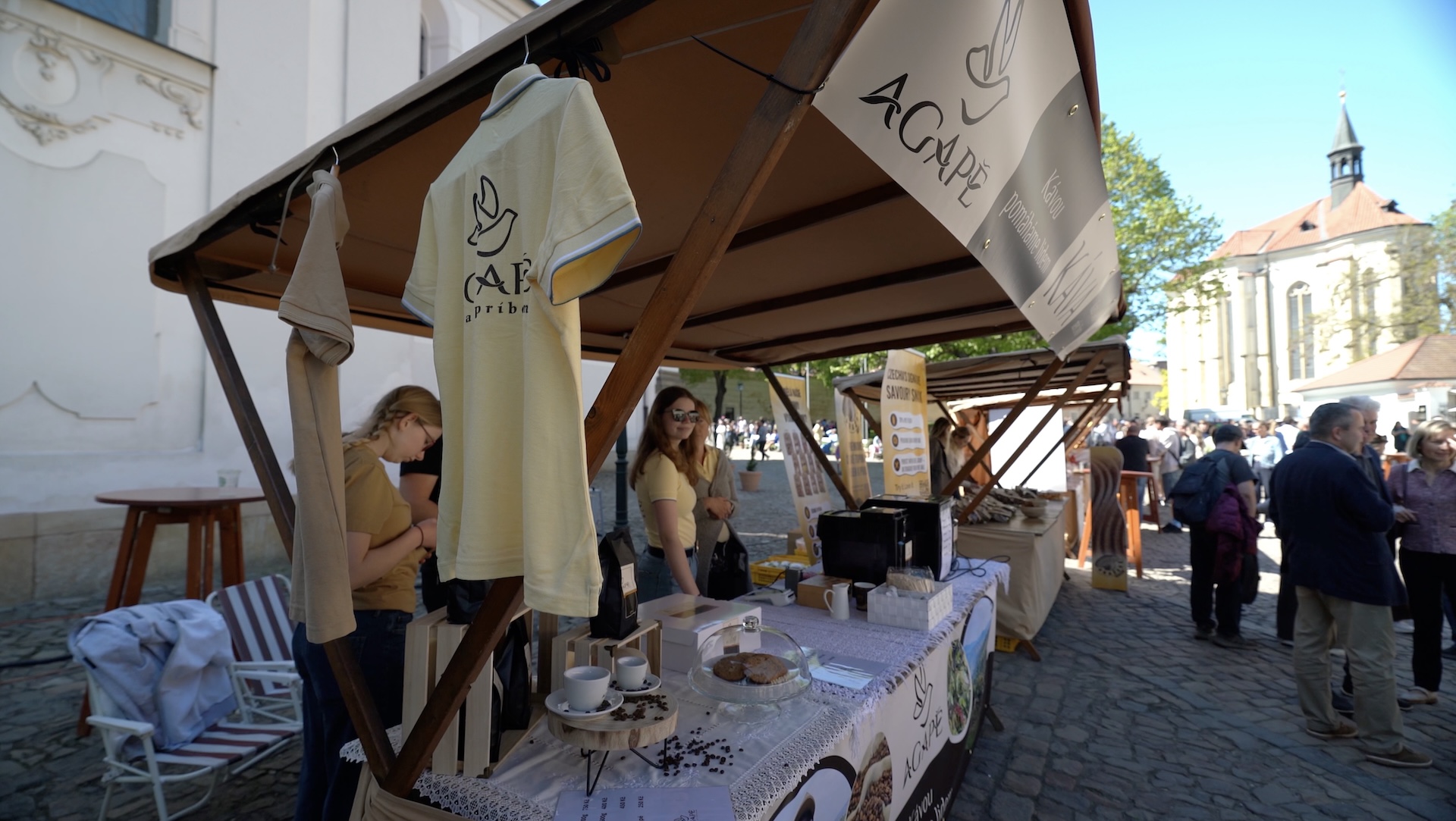
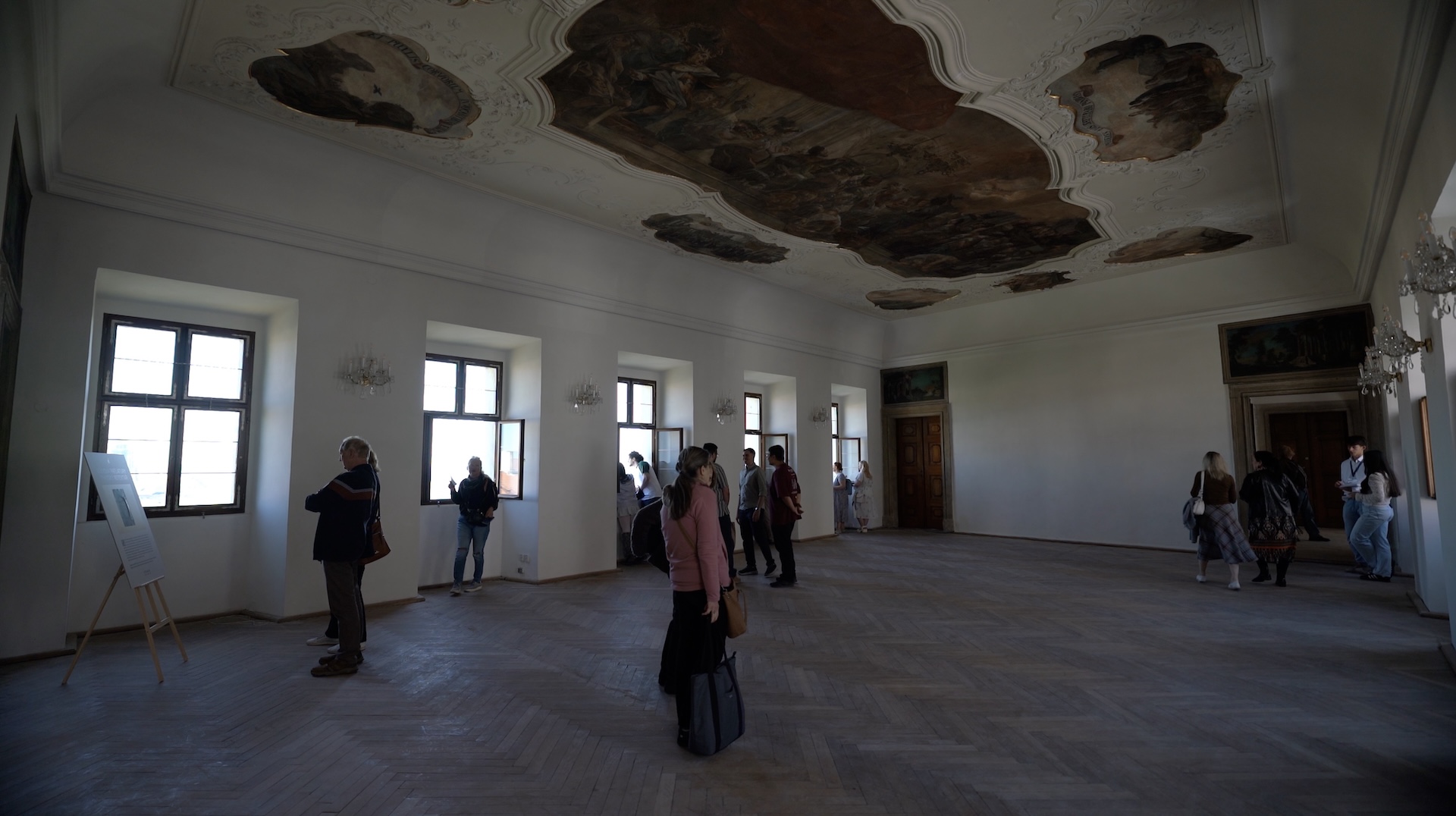
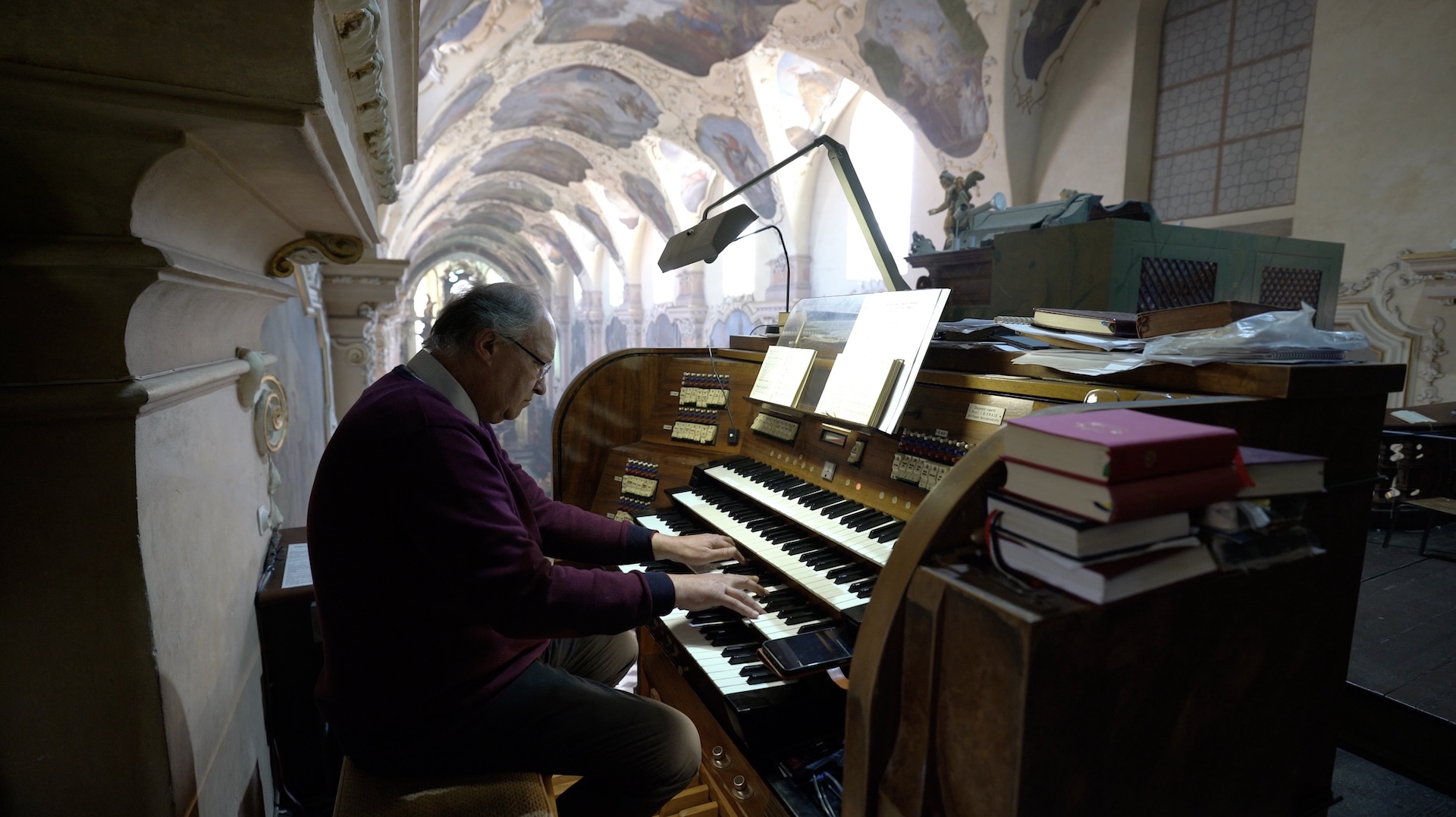
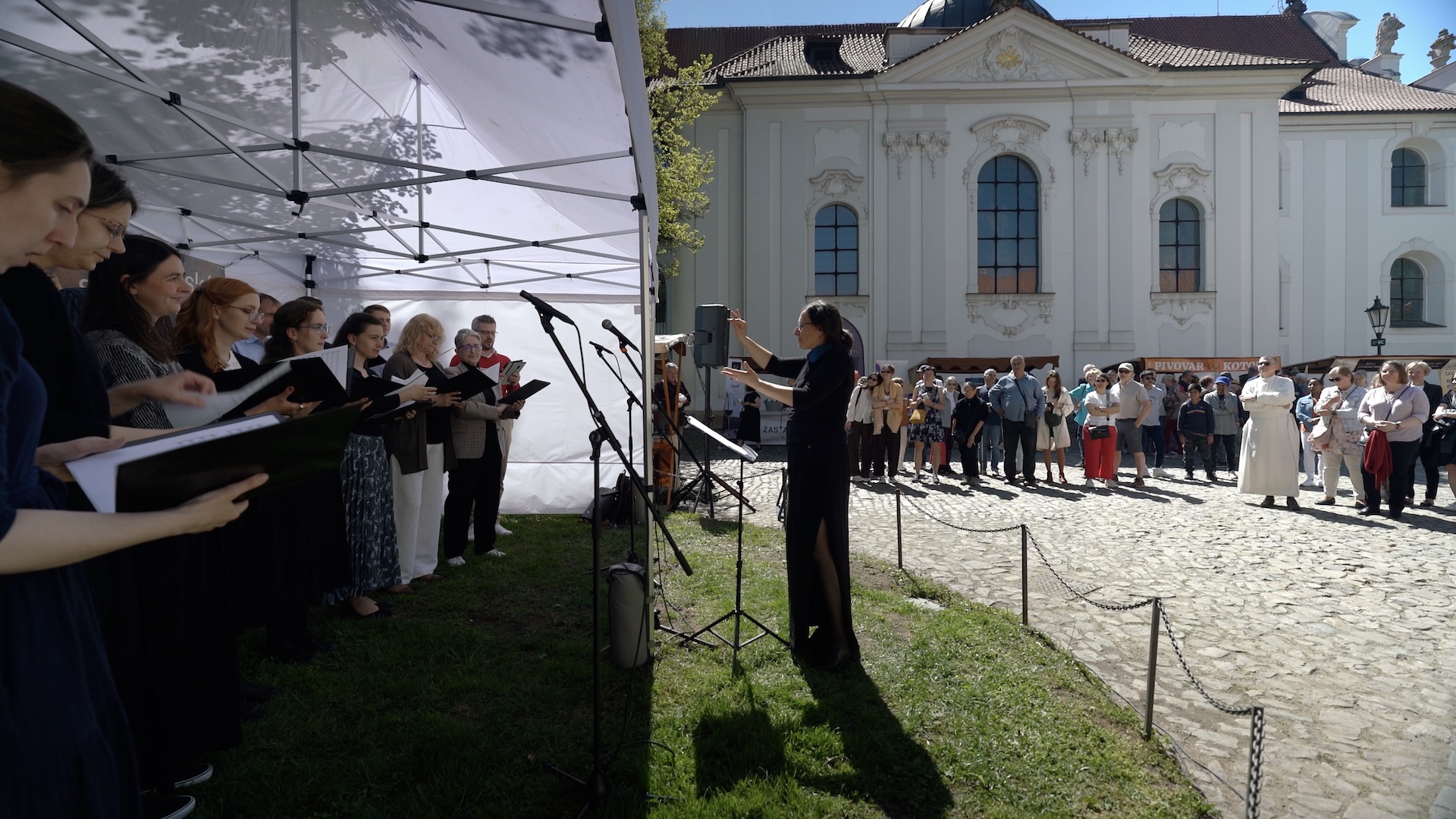
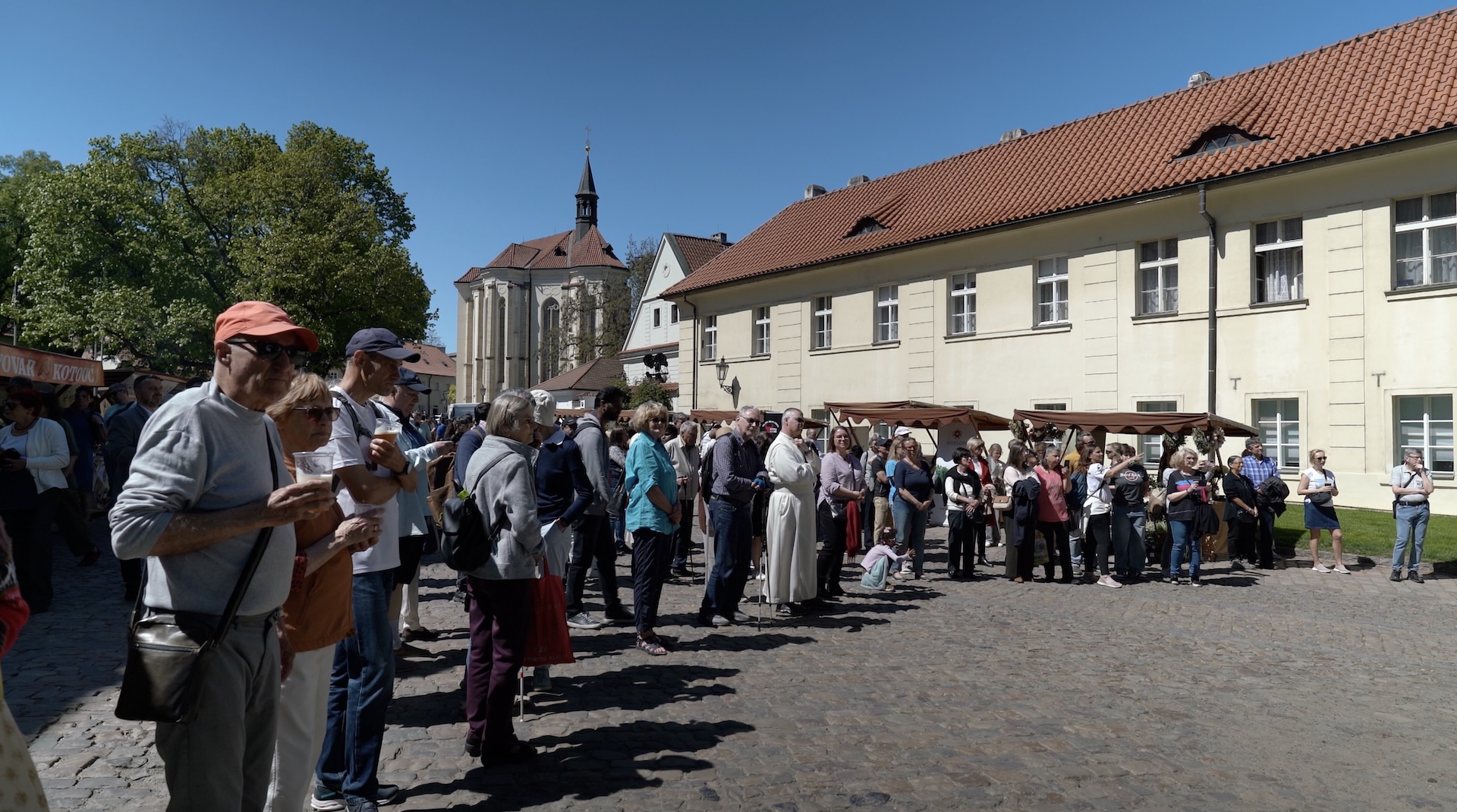
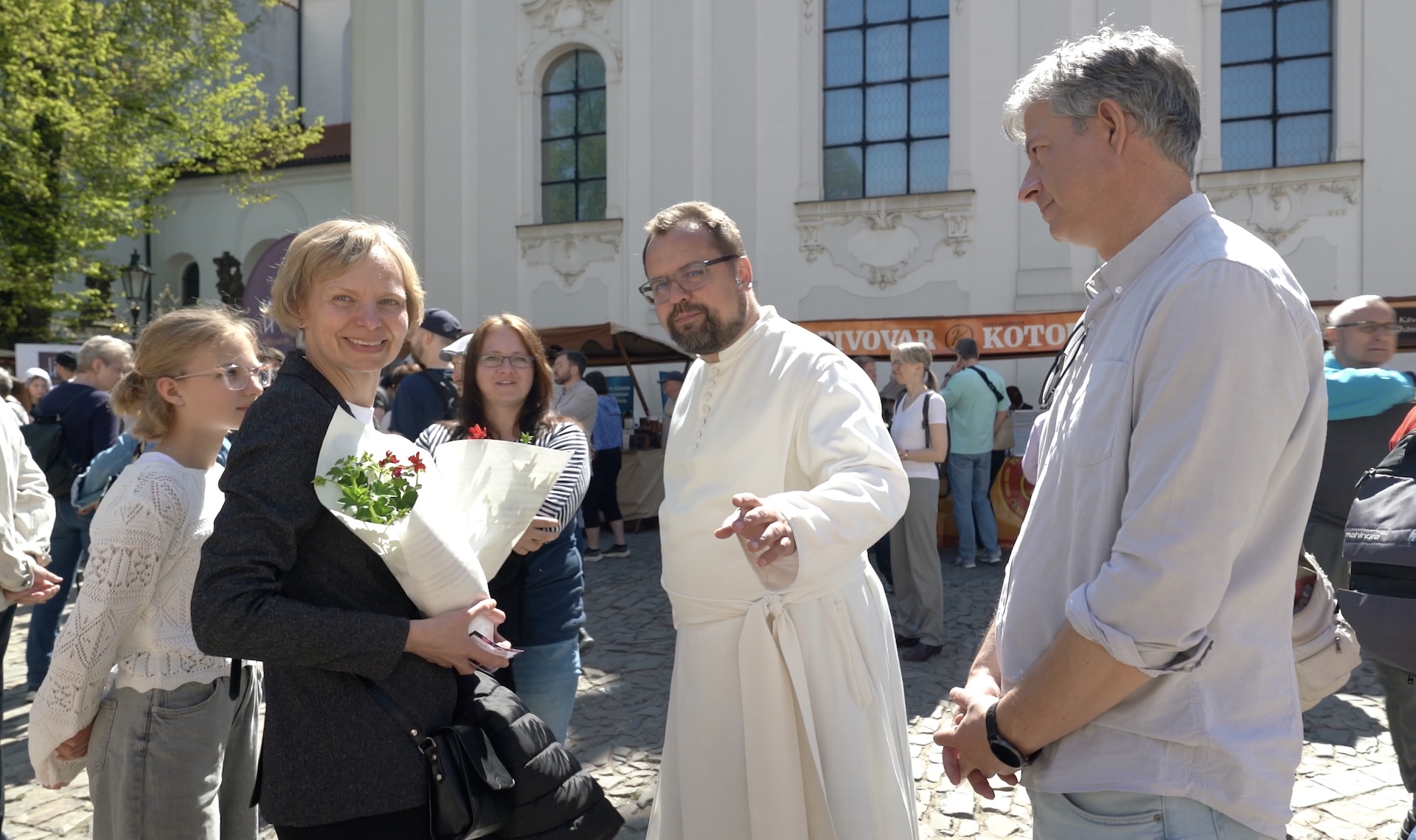
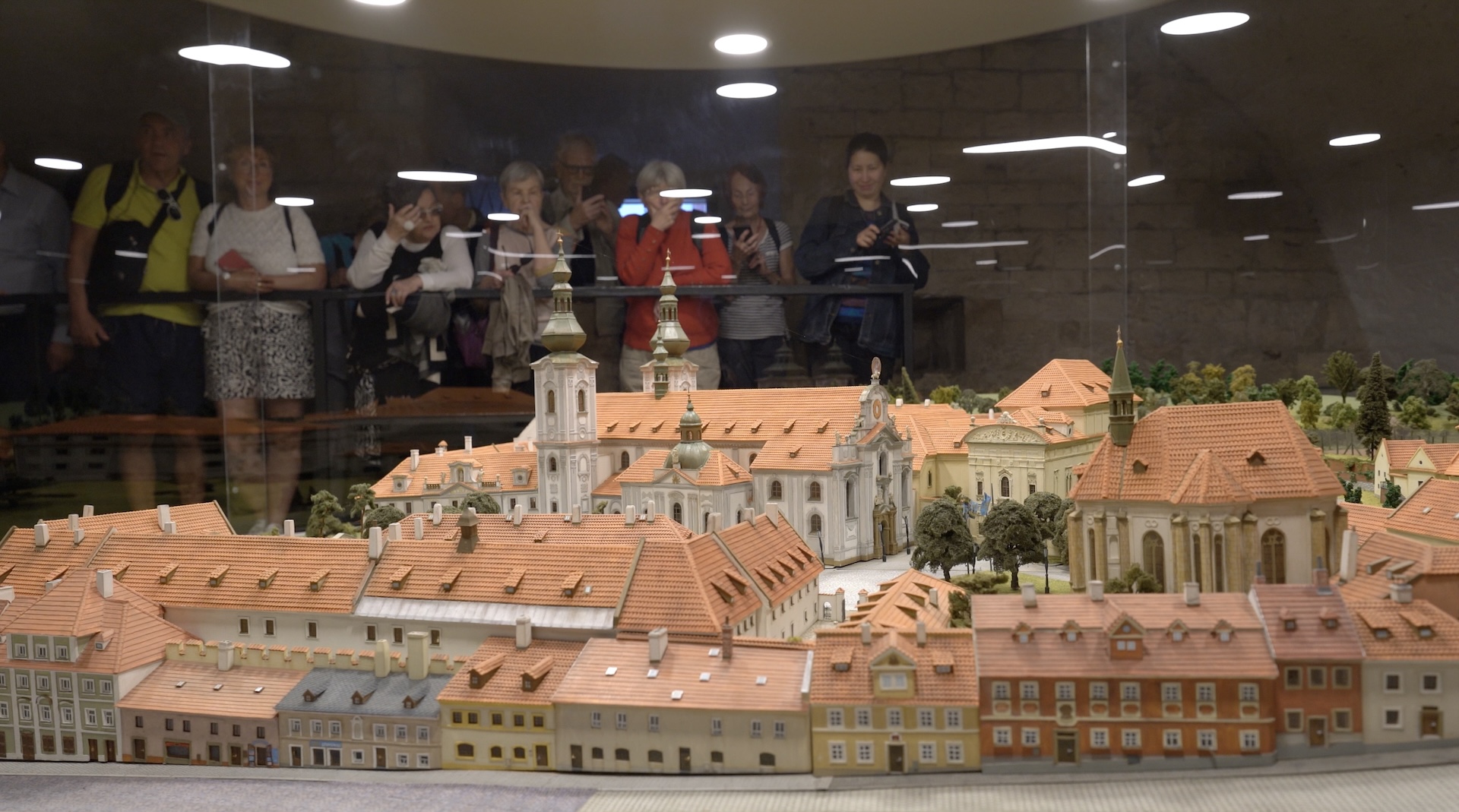
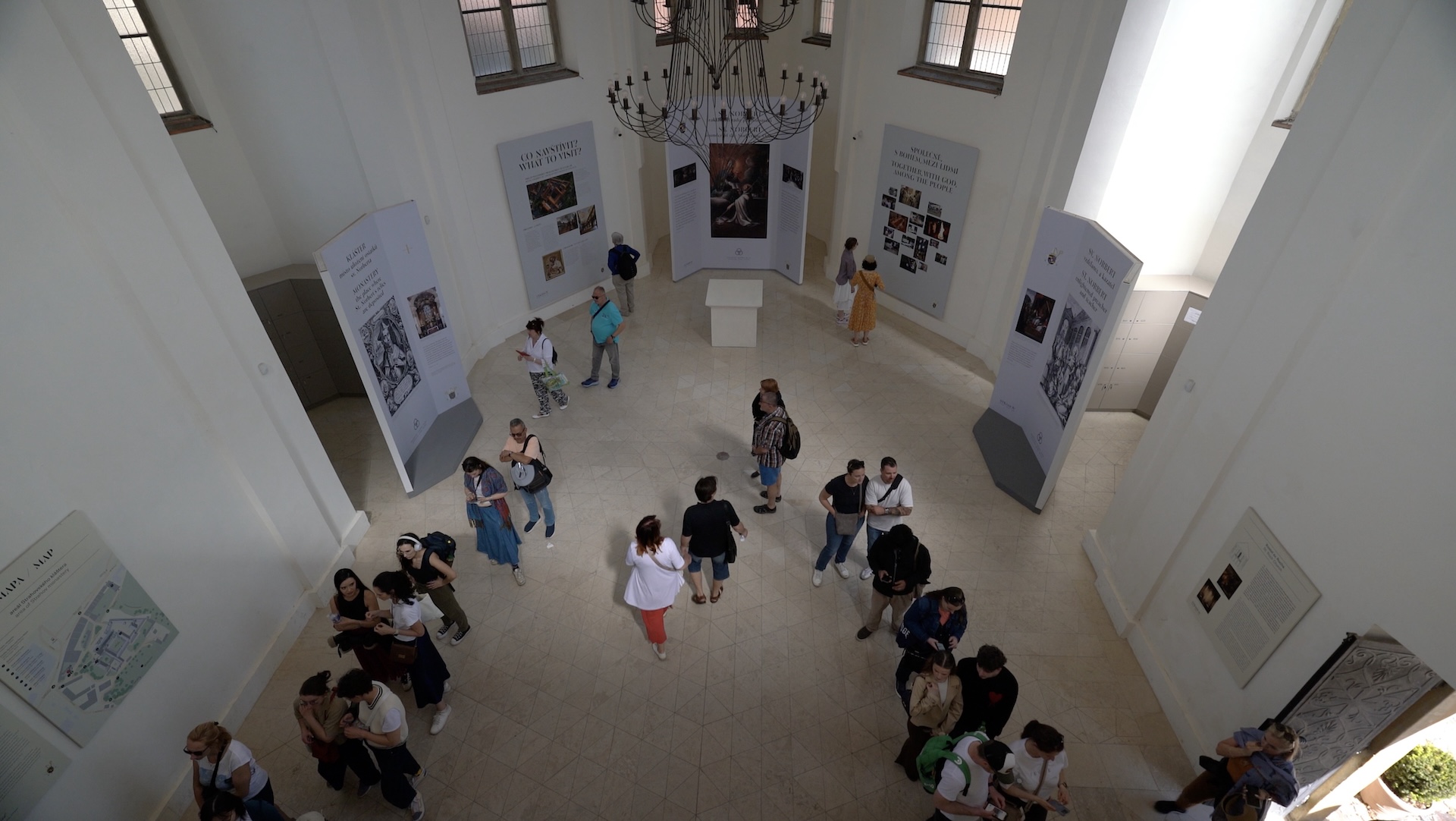
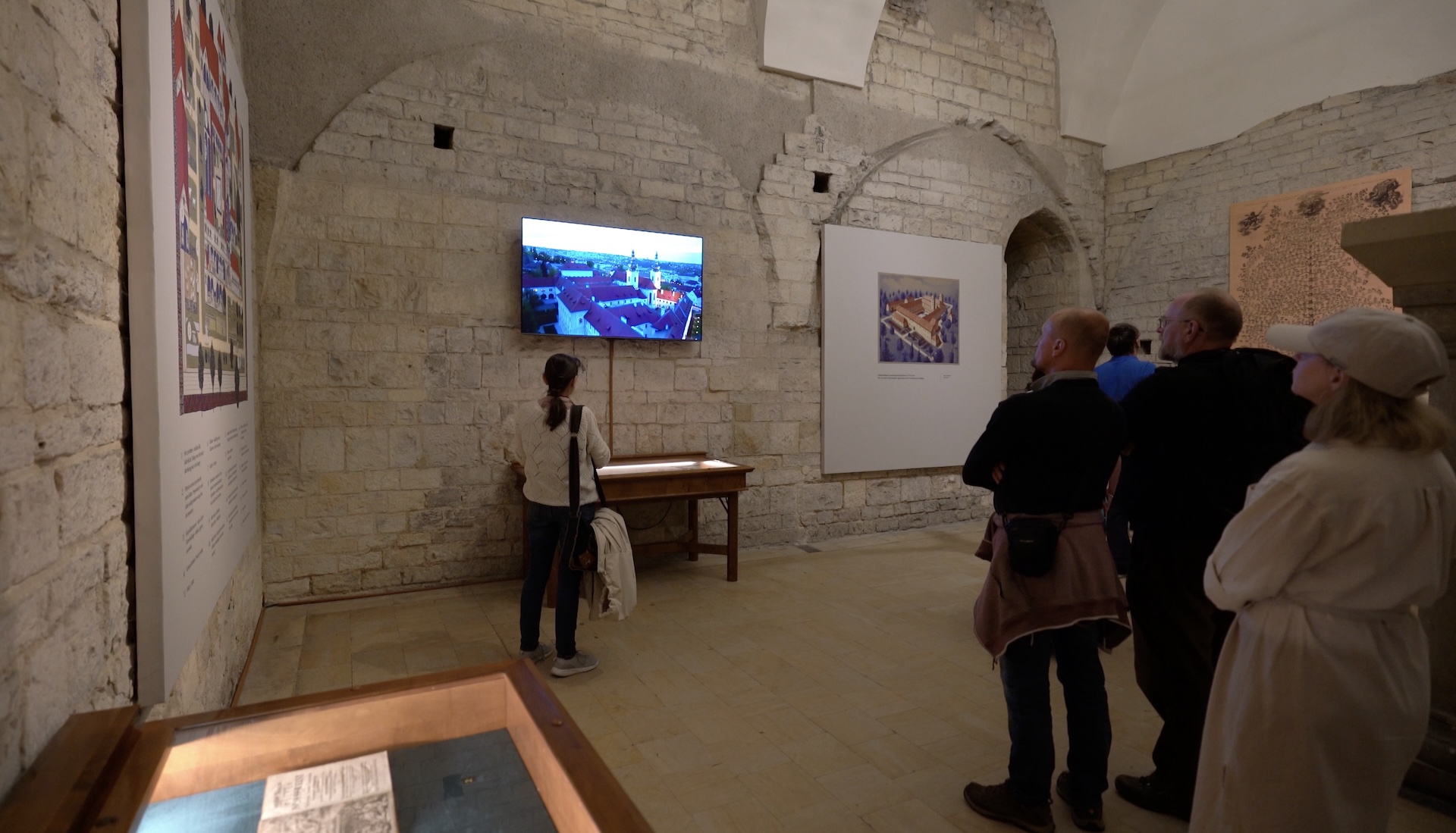
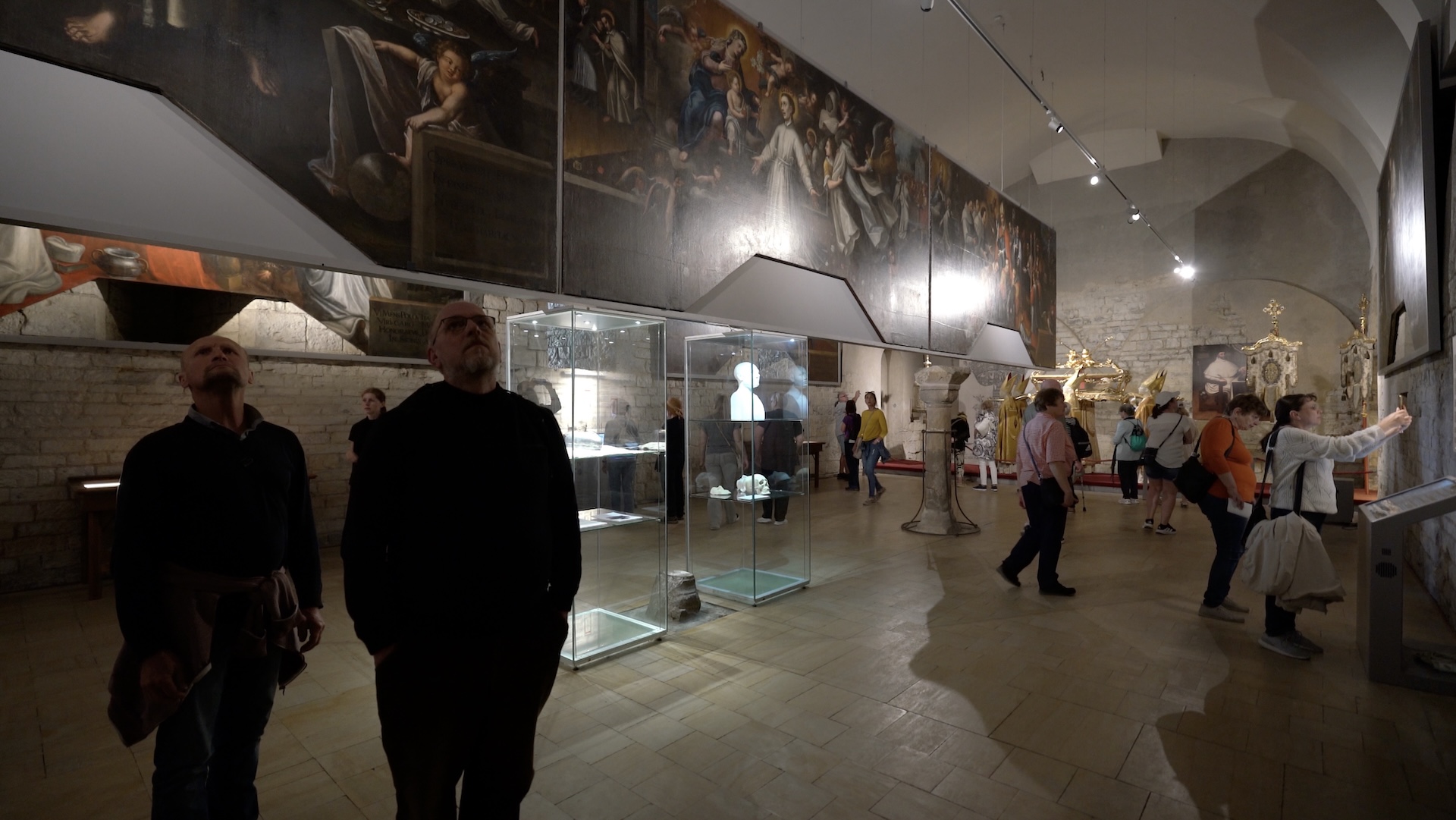
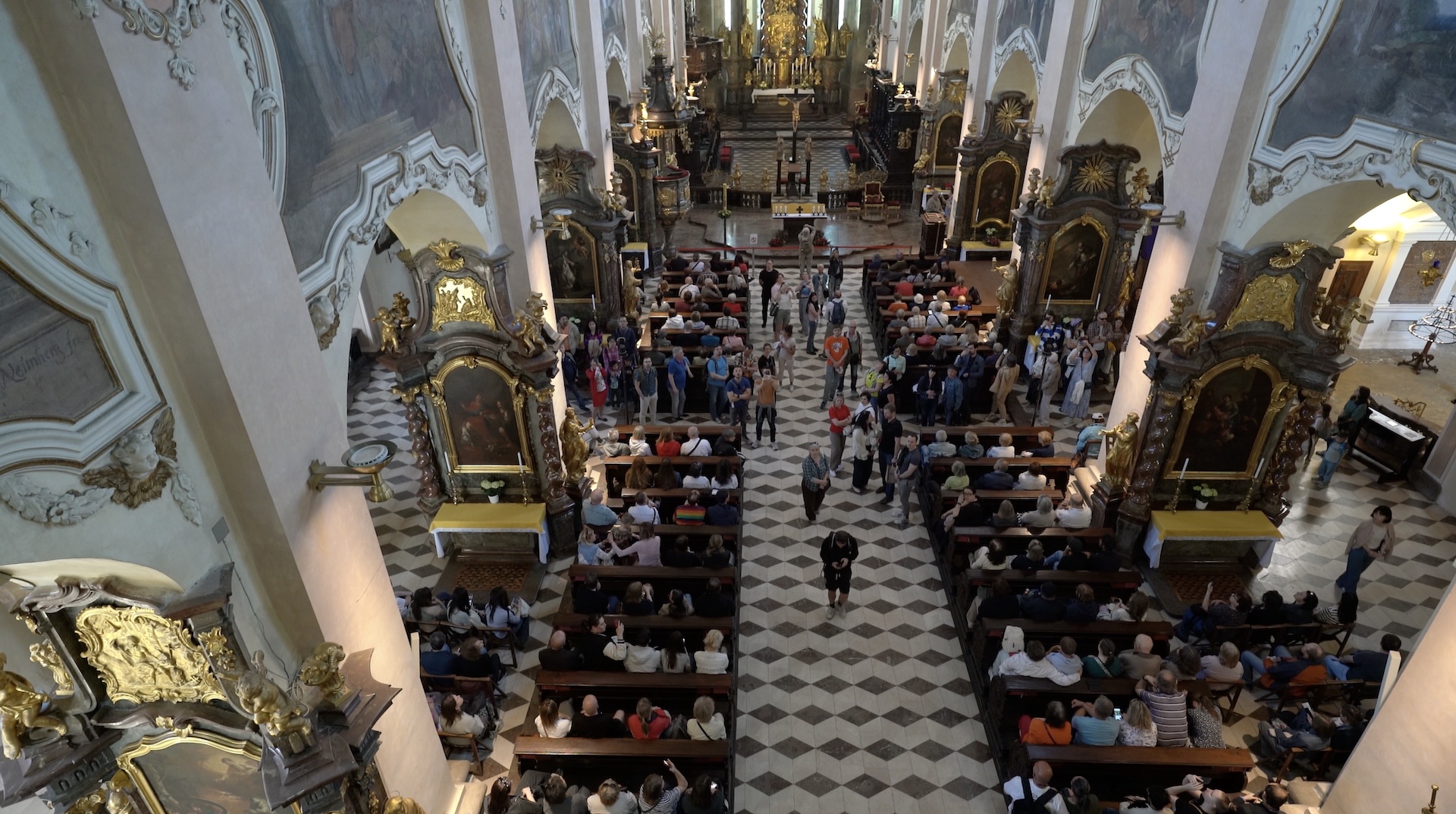
Since then, we have commemorated this important date with the liturgical feast of the Translation of Saint Norbert. In our monastery, we decided to open this day to the general public with the aim of promoting the significance of Saint Norbert by inviting visitors to Holy Mass and also into the spaces of our monastery. The Romanesque halls and the Abbot’s Refectory were therefore open to the public, and throughout the day there was a fair in the courtyard with an accompanying cultural programme. We would also like to convey the atmosphere of this day through the following photographs, taken for us by Martin Čech. Thank you.
During Holy Mass, Abbot Daniel delivered a sermon, from which we quote a passage that presents the history of the transfer of the relics at the beginning of the 17th century.
The first attempt to obtain the relics of Saint Norbert was made in 1605 under Abbot Jan Lohelius. The then subprior Caspar Questenberg set out for Magdeburg with a letter of recommendation from Emperor Rudolf II, but was refused.
Questenberg did not abandon the idea. When, in November 1625, the imperial troops under Wallenstein were advancing in the region around Magdeburg, he saw a good opportunity. Moreover, two of his brothers were in imperial service: Gerard had become a general and military adviser to the War Office in Vienna, while Hermann was a privy councillor and secretary of the Court Chancellery, and was therefore in constant personal contact with the Emperor. Abbot Questenberg sent a letter to His Imperial Majesty asking “that, by the influence of imperial authority at this favourable time, the body of the founder of the Order and holy patriarch Norbert be transferred from Magdeburg, where it rests among heretics without due reverence, to Prague, to Strahov. … In this way the Emperor will gain a powerful intercessor with God in his hereditary kingdom, and will bind the Premonstratensian Order to eternal gratitude and prayer, day and night, for this treasure.”
There were apparently objections to this as well, namely that the Catholics of Magdeburg might see it as a certain dishonour. Questenberg learned of this, for he wrote: “If the Jesuits are raising such objections, I do not know whether they are doing so out of true piety or out of hostility towards the Premonstratensians.”
On Thursday, 3 December 1626, Abbot Questenberg, Provost Crispin Fuk, Martin Stricerius, Captain and Castellan Rudolf Sbraiacacca, two senators, eight of his own servants, and several experienced masons entered the Church of Our Lady in Magdeburg in order to raise Norbert’s relics. On Friday, 4 December, the feast of Saint Barbara, they set out on the return journey, “enriched with exceedingly rich spoils”. On Thursday, 10 December, they arrived in Ústí nad Labem. In commemoration “that Saint Norbert spent his first night in Bohemia there, the Ústí senator and innkeeper Jan Zentsch had Balthasar L. Böhm paint a picture of Saint Norbert for that room”. On Friday, 11 December, they arrived in Doksany. The Strahov brothers in Doksany went out in procession to meet them, holding burning torches in their hands amid the ringing of bells, and sang the hymn Te Deum, “in whose verses the religious sisters could hardly take their turns because of abundant tears of joy.”